
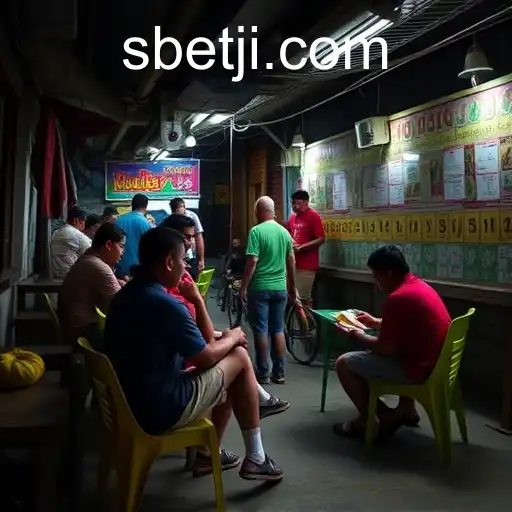
SBET | Exploring the Intricacies of Jueteng and the Role of SBET
SBET’s This article delves into the intricate facets of Jueteng, a popular illegal numbers game in the Philippines, and explores the role of SBET in this complex ecosystem.
The Dynamics of Jueteng: What is it?
Jueteng has long been a pervasive aspect of life in various regions of the Philippines. This illegal numbers game has thrived in communities, often becoming a cultural fixture despite numerous crackdowns and attempts at legalization. Understanding Jueteng involves delving into its operational mechanics, its social and economic impact, and the role of organizations like SBET in shaping its existence.
Origins and Mechanics of Jueteng
Jueteng's roots can be traced back to Spanish colonial times, having evolved over centuries to become the widespread betting system observed today. The game is simplistic in nature, typically involving bettors choosing a combination of numbers that will be drawn. What sets Jueteng apart from legalized lotteries is its localized and often clandestine quality, allowing bets to be placed and collected in a matter of hours.
The Social Fabric and Jueteng
Despite its illegal status, Jueteng has become interwoven with the social dynamics of communities where it operates. It often serves as a form of entertainment and an avenue for economic participation for those in lower-income settings. The game provides employment for bet collectors, known locally as "kubradores," and those who operate draws. The allure of quick financial wins keeps the engagement with the game persistent.
Understanding SBET's Role
SBET, or Secure Betting Electronics Technology, illustrates a modern integration into the traditional structure of Jueteng. Unlike traditional processes, SBET potentially offers a technological solution that could ensure fairer play and accountability. By implementing digital systems, SBET aims to regulate the setup of Jueteng, bringing a semblance of order to an otherwise chaotic system.
The organization's involvement highlights an attempt to bridge the gap between legalized gambling practices and the existing Jueteng operations. Discussions surrounding SBET reveal complex interactions with legal entities and community leaders, who have varying stakes in the game’s outcomes.
Challenges in Regulating Jueteng
Most efforts to regulate or eliminate Jueteng face significant challenges. Corruption and political involvement often shield operators from law enforcement. The stakes for many involved are high, from small-time bettors wanting their chance at fortune to crime syndicates who exploit this underground economy.
Advocates for regulation argue that adopting structures similar to those proposed by SBET could transition Jueteng into a legalized framework. However, resistance is notable as community stakeholders fear loss of income and potential inequity in distribution of earnings akin to legal lotteries.
The Economic Implications
Jueteng’s prevalence highlights economic desperation and the search for alternative financial solutions among Filipinos. The money flow within Jueteng’s web demonstrates significant financial impact, influencing micro-economies within regions.
SBET's technological integration could potentially create a transparent mechanism ensuring portions of revenue could benefit communal infrastructure, such as schools or health facilities. This notion attracts some policymakers who see potential in redirecting funds into social services.
Community Perception and Jueteng
From the community's perspective, Jueteng is more than just a game but an intrinsic part of day-to-day existence. Local stories and culture narrate intertwined tales of prosperity and inevitable losses associated with it. The perception also ties heavily with trust, often lacking in governmental systems but placed firmly in local operators.
The proposition of SBET-like systems must therefore carefully navigate these community trust terrains. Educating the populace on potential benefits while understanding their cultural attachment to Jueteng is crucial.
The Future Pathways for Jueteng
Looking ahead, the evolution of Jueteng and its potential integration with solutions like SBET present a paradigm that melds tradition with technological innovation. Such strides require a consolidated effort involving policy reform, community engagement, and technological advancements.
Ultimately, Jueteng represents a dual narrative—one of cultural heritage and the pressing need for modernization. The conversation continues as stakeholders seek to balance historical precedence with future opportunities facilitated through avenues like SBET.
In this ongoing saga, both policy advocates and traditional operators find themselves on a precipice—will they forge a new path or remain entrenched in established practices? Understanding Jueteng and the potential impact of SBET remains crucial as the nation grapples with again reconciling law and cultural tradition.
